Your fat is around the middle
 All weight is not created equal—and if you have belly fat or a “spare tire,” it could be a marker for cardiovascular problems. Research from the American College of Cardiology found that the more abdominal weight, the greater the risk of heart disease. “Fat cells in the abdomen are associated with worsening insulin resistance, which in turn is associated with high blood pressure, higher cholesterol, and higher risk for type 2 diabetes mellitus,” says UPMC endocrinologist and internist Jason Ng, MD, Clinical Assistant Professor of Medicine at the University of Pittsburgh. “All of these risk factors increase the risk of heart disease.” Try these home remedies to help you lose belly fat.
The post 15 Signs Your Weight Gain Means Your Health Is in Trouble appeared first on Reader's Digest.
from Diet & Weight Loss – Reader's Digest http://ift.tt/2G9v8Ig


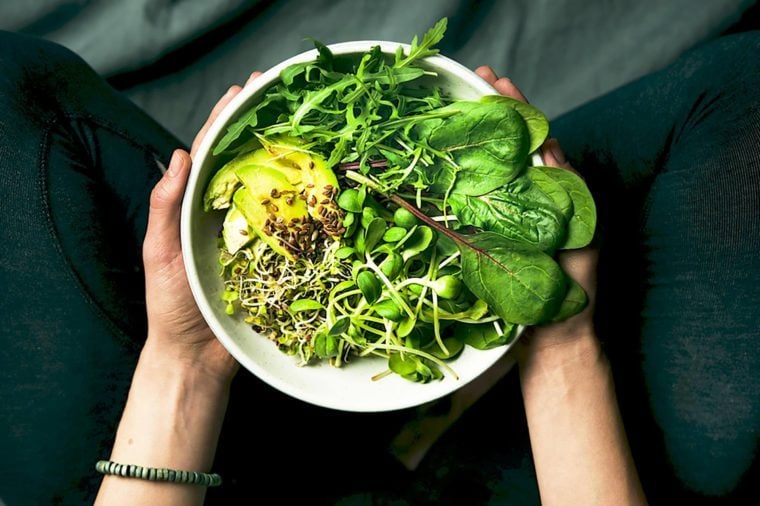

 This program helps you to eliminate many foods that are bad for your body and contribute to weight gain, including fast food, sodas, and anything that comes from a bag or a box. Before I started the Whole30, I was consuming a higher amount of sugar than I realized and my cabinets were filled with processed food. This can help folks shed a few pounds, but, more importantly, can help establish a change in behavior when it comes to food.
 You’ve probably heard the term “water weight,” but what does that mean exactly? According to Bridget Murphy, a registered dietitian at NYU Langone Medical Center, our bodies are 60 to 70 percent water. Eating too much of certain foods, or not enough of others, causes your body to hold onto extra water, making you feel bloated and puffy. For example, eating more vegetables and fruits that contain antioxidants can help us lose water weight. “Research supports an increase in antioxidants to help to flush our system and reduce water retention, as they bind to and neutralize free radicals,” Murphy says. “My biggest recommendation when it comes to foods high in antioxidants is to ‘eat the rainbow,’ meaning find a natural food source from each color.” Some options she suggests are red bell peppers, tomatoes or strawberries for red; carrots or butternut squash for orange; squash or artichokes for yellow; leafy greens like spinach or kale for green; and blueberries, purple beets, or eggplant for blue. Don’t miss these